

Planning a corporate event in Ireland shouldn’t feel like juggling a dozen tasks at once. Yet, without the right support, managing venues, team-building, and on-site event management can quickly overwhelm your calendar. This guide walks you through every step of corporate event planning Ireland, showing how Komet’s full-service expertise turns your vision into a smooth, memorable occasion. Ready to take the stress out of your next event?
Kick-start Your Event Planning
Starting your corporate event journey involves setting the right goals. Knowing what you want to achieve will shape everything from venue choice to activities.
Understanding Corporate Event Goals
Clarifying your objectives is the first step in planning a successful event. Are you looking to boost team morale, celebrate a milestone, or perhaps launch a new product? Each goal requires a different approach. Begin by gathering input from key stakeholders. This helps ensure that your event aligns with company priorities. Use surveys or meetings to capture what everyone hopes to achieve. With this information, you can create a focused plan that addresses all needs.
Setting clear goals also aids in measuring success. It’s easier to evaluate your event’s impact when you know what outcomes you’re aiming for. Consider using metrics such as employee engagement or customer feedback. These insights can guide future planning efforts. Remember, the clearer the goals, the more effective your event will be.
Crafting a Tailored Event Proposal
Once you know your goals, it’s time to design a proposal. This document outlines the event’s key elements and ensures everyone is on the same page. Start by detailing your vision. Explain how each component, from décor to activities, supports your objectives. Be specific: list potential venues, themes, and entertainment options.
Next, include a budget estimate. Break down costs for venues, catering, and any additional services. This helps stakeholders understand the financial implications and allows for informed decision-making. Highlight potential savings or discounts, if applicable. Finally, present a timeline. Detail crucial deadlines and milestones. This keeps the planning process on track and ensures timely execution.
Navigating Irish Venues and Logistics

With goals and a proposal in hand, focus shifts to venue selection and logistics. This phase requires balancing practicality with creativity.
Selecting the Perfect Venue
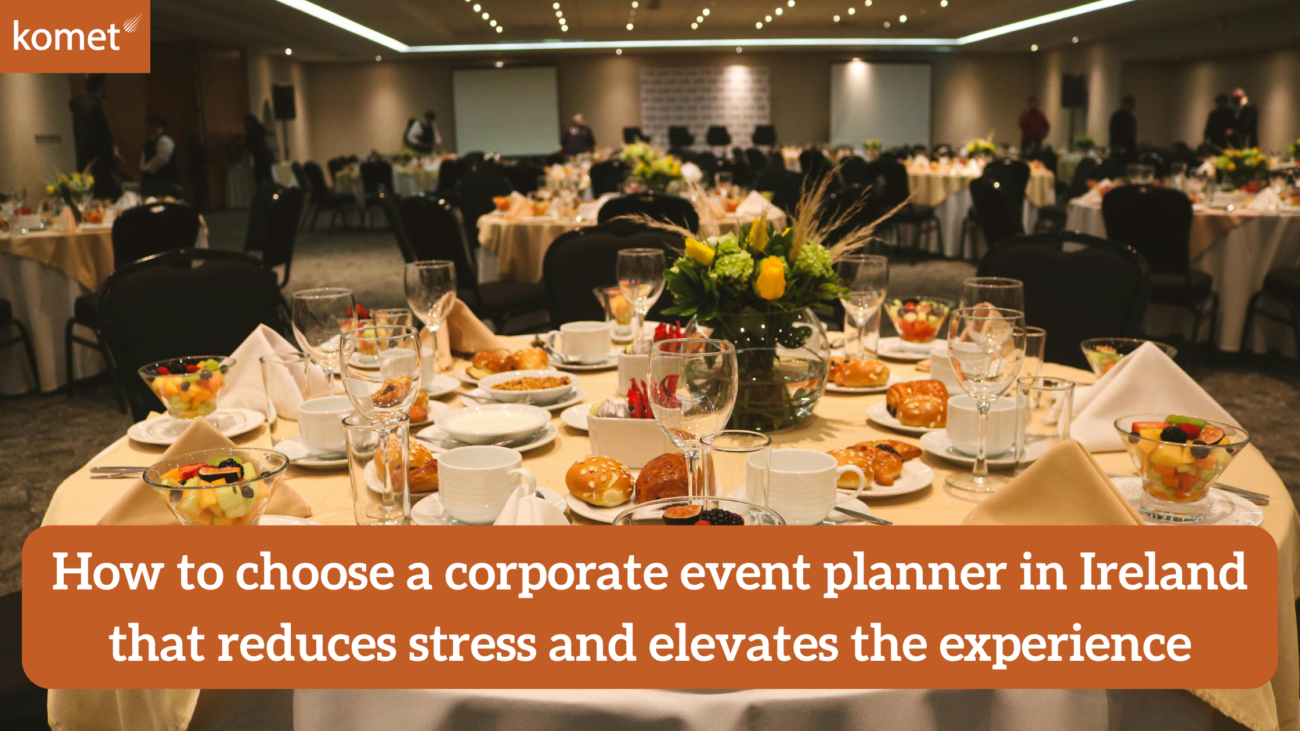
Finding the right venue is crucial to your event’s success. Start by considering the event’s size and format. A corporate seminar might need a spacious conference hall, while a team-building retreat could benefit from an outdoor venue. Leverage local knowledge: venues in cities like Dublin offer varied options, from modern conference centres to historic estates.
Check out venues’ facilities. Ensure they offer necessary amenities like AV equipment and high-speed internet for smooth presentations. Don’t forget accessibility and transportation: easy access can significantly impact attendance. When possible, visit venues in person. This provides a better sense of the space and its suitability for your event.
Streamlining Event Logistics
Efficient logistics are key to a stress-free event. Start by coordinating transportation for attendees. This could involve booking buses or arranging carpools. Confirm accommodation for overnight events early to avoid last-minute issues. Work closely with chosen vendors. Ensure clear communication regarding delivery times and setup requirements. This includes catering, AV production, and any special equipment needs.
Create a detailed schedule. This should outline every event component, from guest arrival to the final farewell. Assign staff to oversee various areas. This ensures smooth flow and quick resolution of any issues. Remember, the more organised your logistics, the more enjoyable the event experience will be for everyone involved.
Creating Engaging Event Experiences

With logistics in place, turn your attention to crafting memorable experiences that engage participants.
Unique Team-Building Activities
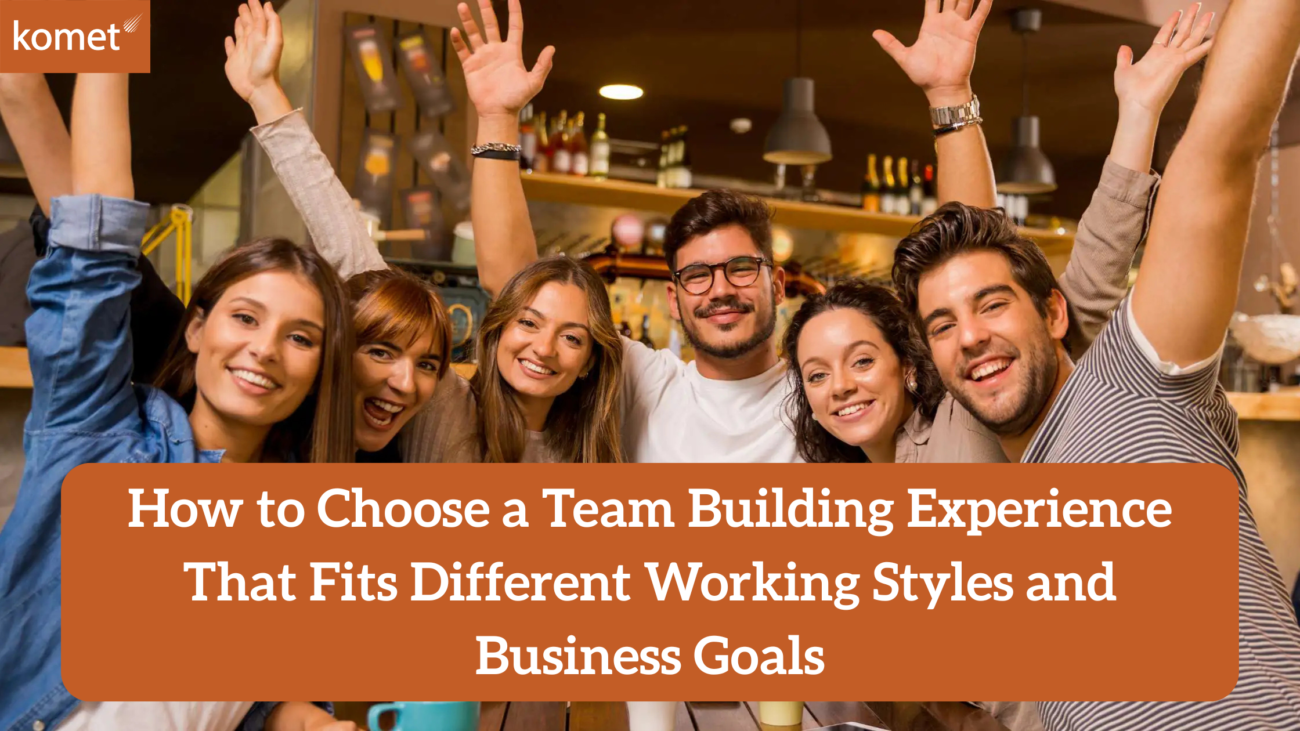
Team-building exercises can transform an event into an unforgettable experience. Choose activities that align with your goals. For example, trust-building exercises can enhance collaboration, while creative challenges might inspire innovation. Consider both indoor and outdoor options. Ireland offers a plethora of scenic locations perfect for outdoor activities.
Consult with a bespoke team-building provider to create activities tailored to your team’s dynamics. Activities could range from escape rooms to cooking classes. Ensure they cater to various interests and fitness levels. Remember, the goal is to foster connection and cooperation, so choose activities that encourage participation from all.
Effective On-Site Management Strategies
On-site management is crucial for smooth event execution. Begin by briefing your team. Assign specific roles and responsibilities to ensure every aspect of the event is covered. This includes guest registration, technical support, and vendor coordination. Use checklists to track progress and manage tasks effectively.
An on-site coordinator should be your go-to problem solver. They manage unexpected issues, ensuring minimal disruption. Keep communication lines open. Use radios or a messaging app for instant updates. Finally, conduct a walkthrough before the event. This helps identify potential problems and ensures everything is in place for a successful day.
Frequently Asked Questions
What are the key goals for a corporate event?
Corporate events usually aim to boost team morale, celebrate achievements, or introduce new products. Defining clear goals helps tailor the event to meet specific objectives.
How do I choose the right venue for my event?
Consider the event size, format, and necessary facilities. Visit potential venues to assess their suitability. Ensure they offer essential amenities like AV equipment and are accessible to all attendees.
What is the best way to manage event logistics?
Start by coordinating transportation and accommodation. Work closely with vendors for timely delivery and setup. Use a detailed schedule and assign staff to oversee different areas for seamless execution.