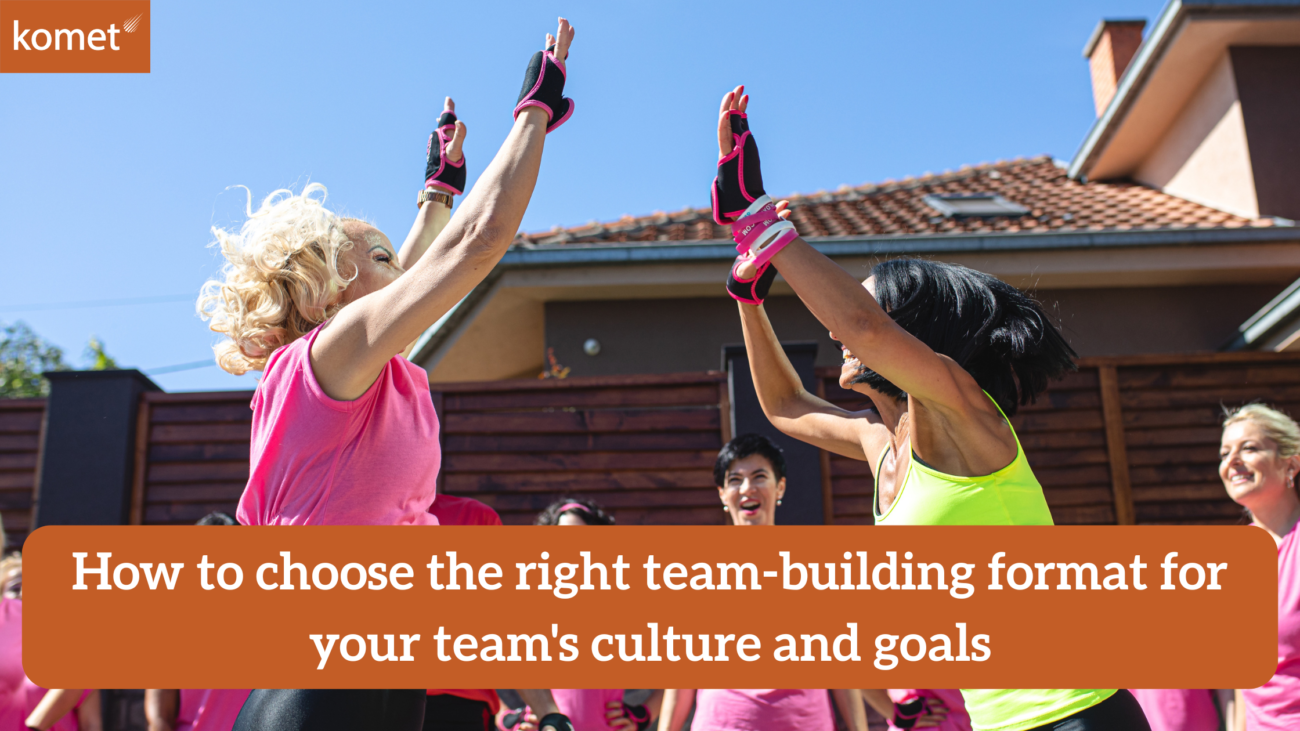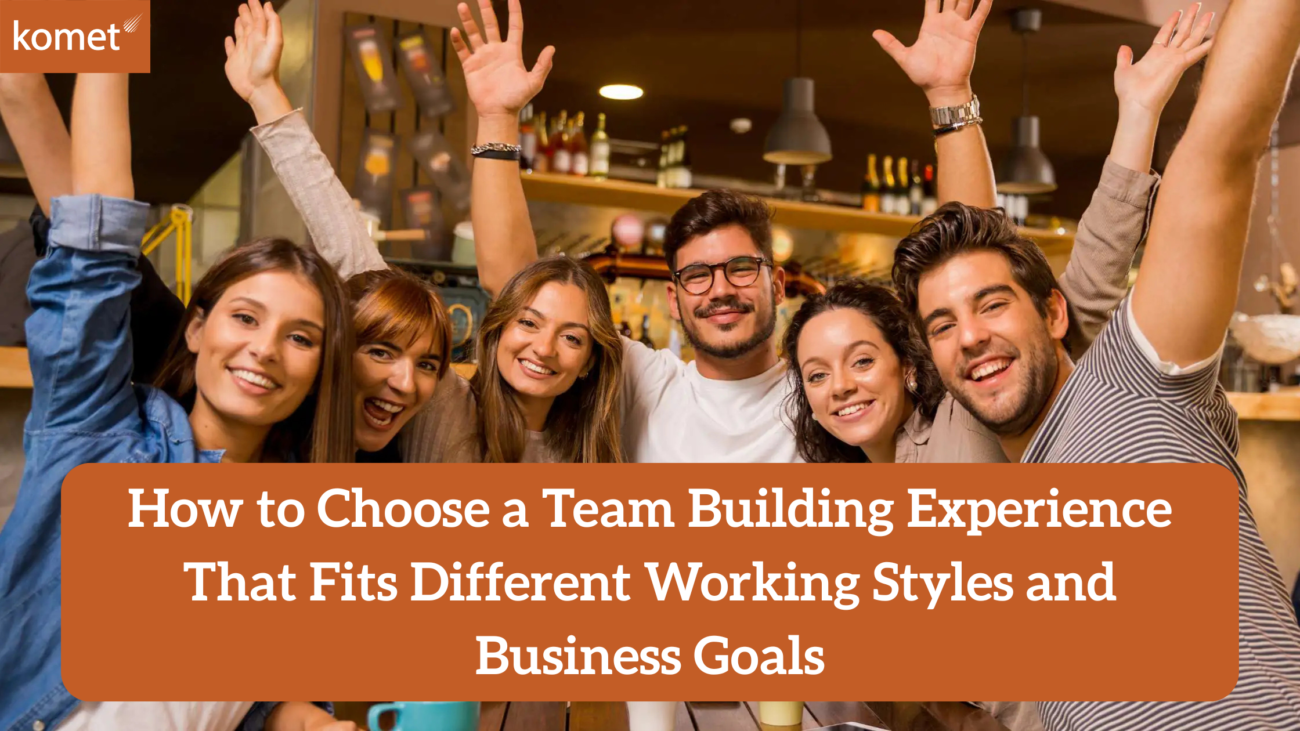


Choosing the right team-building experience for your company culture and goals isn’t as simple as picking the most popular activity. Many HR managers and event planners find themselves overwhelmed by options that don’t quite fit their team’s vibe or budget. In this guide, you’ll get a clear, step-by-step framework to select team building Ireland trusts—making your next corporate outing both meaningful and stress-free. Let’s turn your vision into a bespoke plan that truly connects your team.
Identifying Your Company Culture
To choose the best team-building experience, you need to start by understanding your company culture. This involves looking at core values and team dynamics closely.
Understanding Core Values
Core values guide the way your team operates. They’re like the team’s compass, pointing everyone in the right direction. If your company values creativity, then activities that foster innovation and new ideas might be best. Alternatively, if teamwork and collaboration are vital, choose activities that encourage cooperation. Think about what makes your company unique. Maybe it’s the strong emphasis on open communication. In that case, consider activities that highlight and develop these skills. By aligning your team-building activities with your core values, you help reinforce what’s most important to your company and its success.
Recognising Team Dynamics
Team dynamics are about how your team interacts daily. Do your team members enjoy working together or prefer individual tasks? Are they comfortable with casual settings, or do they thrive in structured environments? Knowing the answers will guide you in selecting a fitting activity. If your team is diverse, you might need an activity that appeals to various interests. For example, a mix of physical and mental challenges could be ideal. Keep an eye out for activities that encourage everyone to participate, ensuring no one feels left out. Understanding team dynamics will make the experience more inclusive and enjoyable for all.
Setting Goals for Team Building
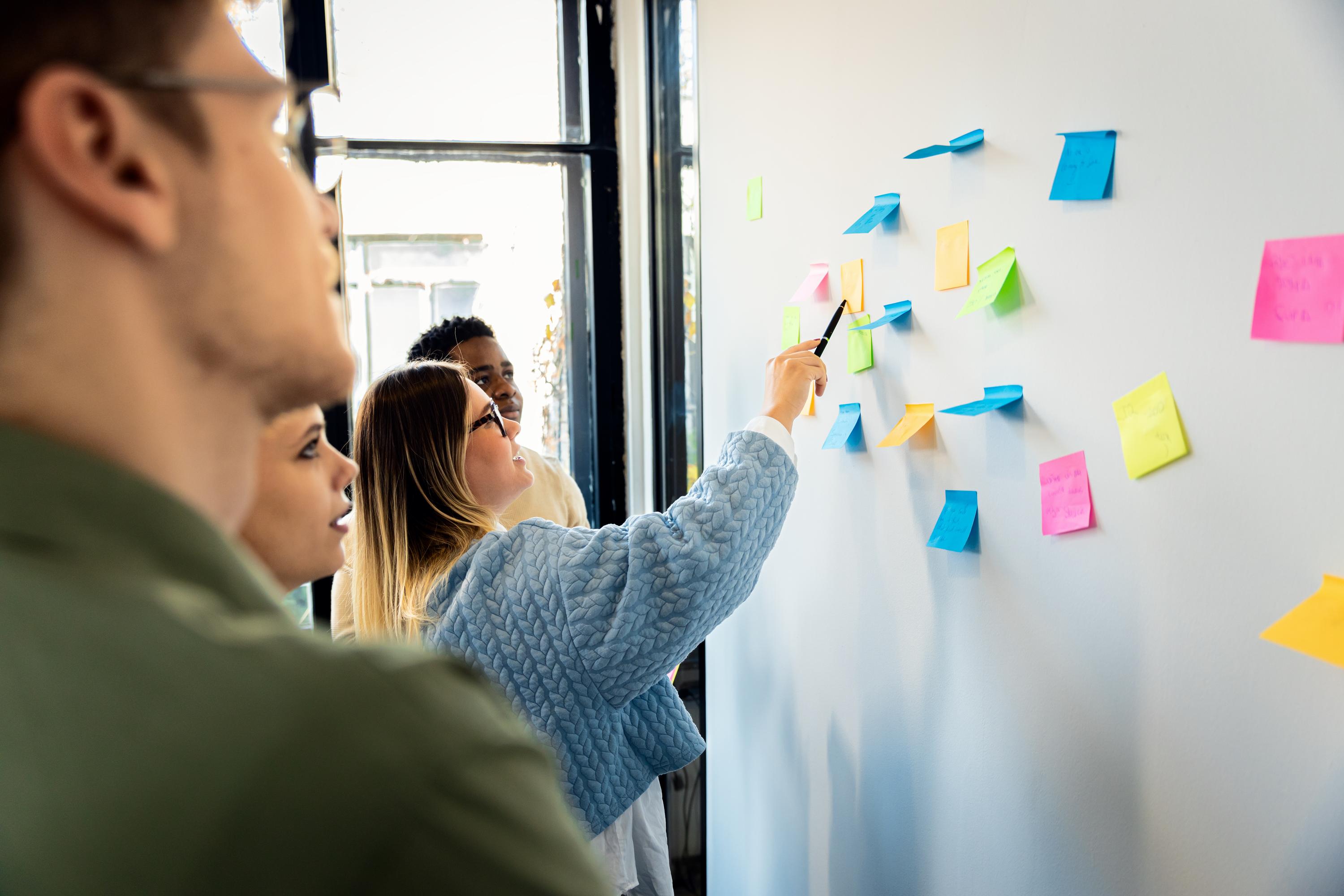
Once you have a handle on your company culture, it’s time to set clear goals for your team-building event. This step helps you focus on what you want to achieve.
Clarifying Objectives
Start by asking yourself what you want the team-building event to accomplish. Are you aiming to boost morale, improve communication, or enhance problem-solving skills? Clear objectives make it easier to select activities that align with your goals. For instance, if team unity is your main focus, choose activities that require collaboration. Write down your goals, and ensure they are specific and measurable. This clarity will guide your planning process and help you communicate your intentions to participants. When everyone knows the purpose of the event, they are more likely to engage and contribute positively.
Measuring Success
How will you know if your team-building event was successful? Measuring success is crucial to understanding the impact of your efforts. You might consider using surveys or feedback forms to gather team members’ thoughts and experiences after the event. Another option is to set key performance indicators (KPIs) beforehand. These could include improved team communication, increased productivity, or enhanced morale. Post-event discussions can also be helpful. Reflect on what worked and what didn’t, and use this insight for future planning. Measuring success ensures you continue to improve and tailor team-building efforts to meet your company’s evolving needs.
Selecting the Right Experience

Now that you’ve identified your culture and set goals, it’s time to select a team-building experience that fits. This involves matching activities to your culture and considering budget and logistics.
Matching Activities to Culture
Choosing activities that match your company culture ensures the event resonates with your team. If your company is creative and open-minded, activities like brainstorming sessions or art projects can be highly effective. For companies that prioritise physical wellness, outdoor adventures like hiking or sports might be ideal. It’s also essential to consider the preferences and interests of your team members. You want everyone to feel comfortable and eager to participate. By aligning activities with your culture, you create an environment where employees feel valued and understood.
Considering Budget and Logistics
Budget and logistics play a significant role in planning a successful team-building event. Start by determining how much you’re willing to spend. Remember, the cost doesn’t always equate to the quality of the experience. Creative solutions can often provide great value without breaking the bank. Logistics, including location and timing, are crucial too. Choose a venue that is accessible to all team members and fits the activity planned. Also, ensure the timing doesn’t conflict with critical work deadlines. Careful planning in these areas helps ensure a smooth and stress-free event.
Frequently Asked Questions
What are some effective team-building activities for improving communication?
Activities such as team scavenger hunts, escape rooms, and role-playing scenarios are excellent for enhancing communication skills. They encourage participants to work together and share ideas in a fun and engaging environment.
How can I measure the success of a team-building event?
Success can be measured through employee feedback, surveys, and observing changes in team dynamics post-event. Consider setting clear KPIs, like improved communication or increased productivity, to gauge the event’s impact.
What should I consider when planning a team-building event on a budget?
Focus on creative, low-cost activities that align with your goals. Utilise local resources and venues or consider virtual team-building options to save on costs. Prioritise activities that offer the most significant benefit for your team’s specific needs.